
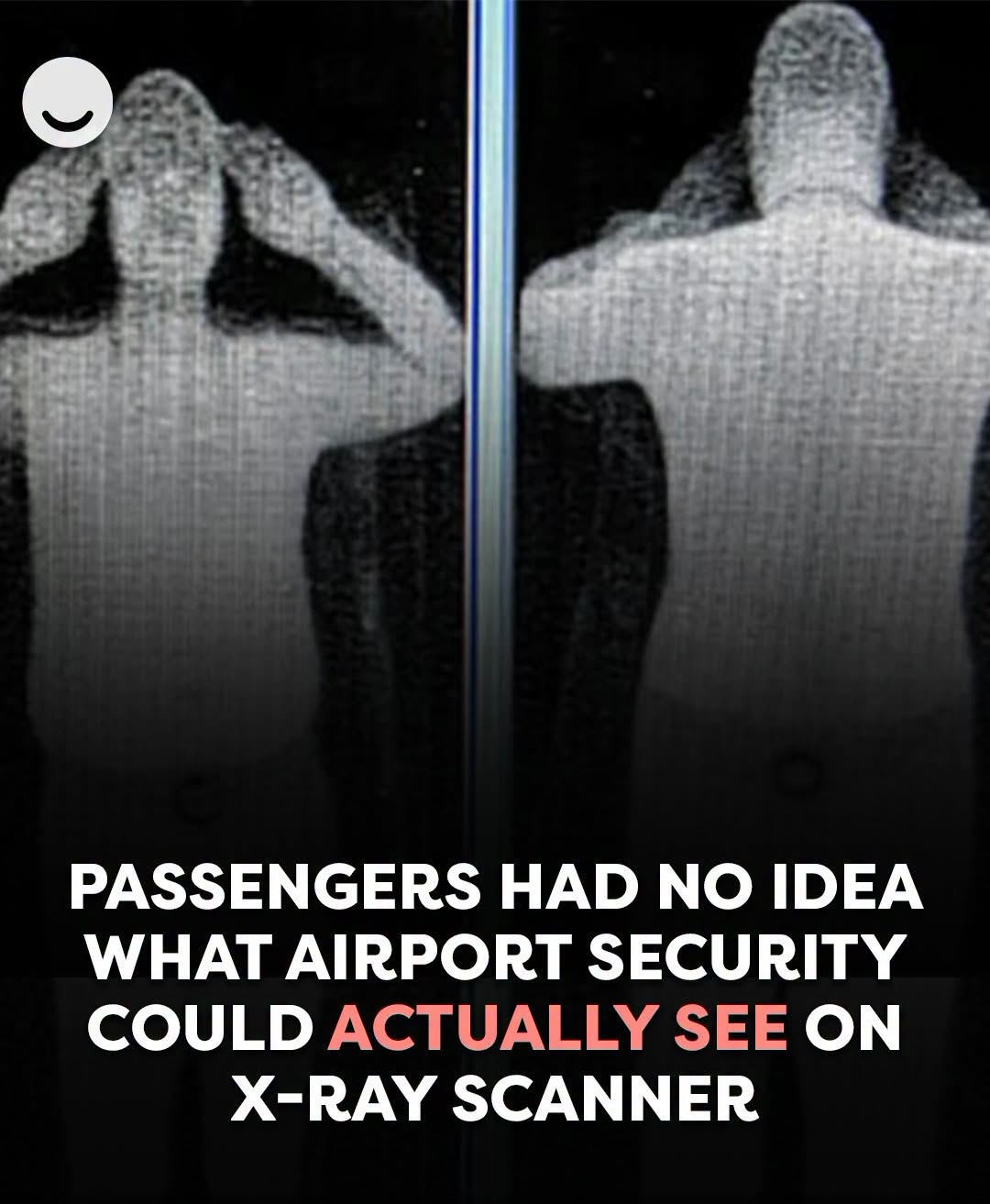
Just a few years ago, airports across the United States replaced a generation of full-body scanners after privacy concerns revealed the machines produced highly detailed images of passengers.
Introduced widely by the Transportation Security Administration (TSA) in 2010 following the failed 2009 “underwear bomber” attack, the scanners were designed to detect hidden threats beneath clothing. While they improved security, critics argued the technology created revealing, ghost-like images that could be viewed by security personnel.
Public concern grew as examples of the scans circulated online, with many travelers surprised by the level of detail they displayed. A viral image shared on social media reignited the debate, prompting reactions ranging from shock to humor.
In response to mounting privacy concerns, the TSA ended its contract with Rapiscan scanners in 2013 after the company failed to meet a congressional deadline requiring Automated Target Recognition (ATR) software, which replaces detailed body images with a generic outline highlighting only potential threats.
Today’s airport scanners use ATR technology, meaning security officers no longer see detailed images of passengers, helping balance security needs with traveler privacy.
